Why Your Hairline May Need a Different Styling Approach From the Rest of Your Hair
0 Comments
woman

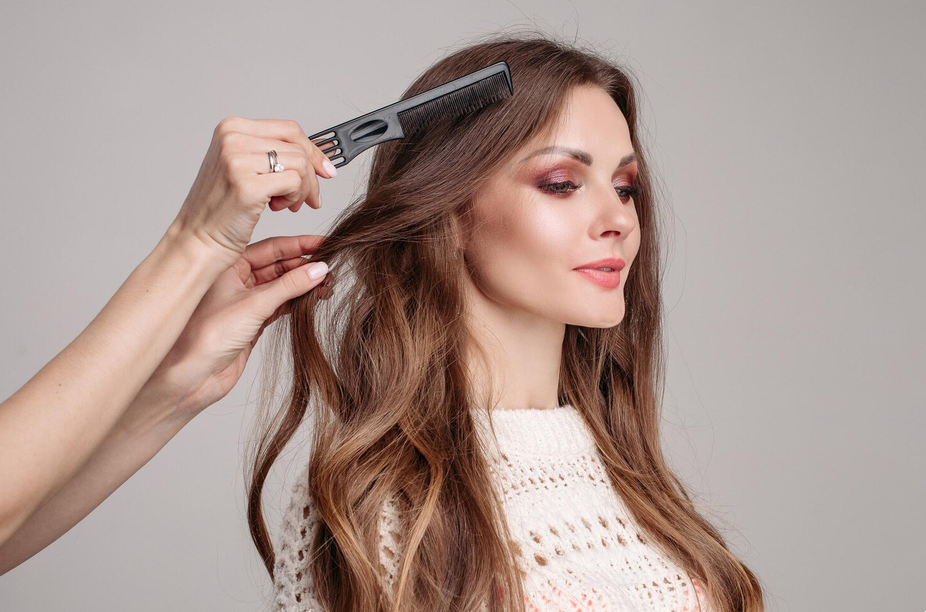
The hairline often behaves differently from the rest of the hair. The strands around the forehead and temples may be finer, shorter, more exposed, or naturally uneven. They can also respond differently to heat, products, brushing, and humidity. Because of this, using the same styling method across the entire head may not produce the best result. The hairline frames the face, so even small changes can affect how a hairstyle looks. A technique that gives volume to thicker areas may make finer edges appear flat or separated. Likewise, heavy products that control longer sections can leave the hairline stiff or greasy. Understanding these differences makes styling easier and can help create a more balanced appearance without forcing delicate strands into an unsuitable shape.

woman

Recognizing Natural Hairline Variations

Not every hairline follows the same pattern. Some people have naturally rounded edges, while others have pronounced temples, uneven corners, or small areas where hair grows in different directions. Baby hairs can also create a softer outline around the forehead. These short strands may resist conventional styling because they lack the length and weight needed to follow longer sections. Hair texture matters too. Curly or coily hair may form tighter patterns around the edges, while straight hair can make small differences more visible. Density can vary across the hairline as well. Recognizing these characteristics is more useful than trying to make every strand behave identically. The goal is to work with the natural structure rather than constantly correcting it.

mousse

Adjusting Products For Better Control

Product choice can make a noticeable difference around the hairline. Thick waxes, strong gels, or heavy creams may work well for longer hair but overwhelm finer strands. They can create buildup or make the edges appear darker and separated. A lightweight styling cream, mousse, or small amount of flexible gel may provide enough control without making the hair look coated. Application also matters. Instead of covering the entire hairline with product, a small amount can be distributed carefully with fingertips or a clean styling brush. This gives greater control over individual sections. Product should also match the desired finish. Someone seeking a natural appearance may prefer flexible hold, while a structured hairstyle may require stronger control. Using less product is often more effective around fine edges.

Working With Texture and Growth Direction

Growth direction can explain why one side of a hairline behaves differently from the other. Cowlicks, natural bends, and changes in density can make certain areas difficult to smooth. Fighting these patterns constantly can create an unnatural finish. Styling with the existing direction may produce better movement and require less tension. For textured hair, defining the natural pattern can be more effective than brushing it flat. Small amounts of water or lightweight styling products can help reshape short strands temporarily. The key is control without excessive manipulation. A hairline does not need to look perfectly uniform to look polished. Slight variation can actually make a hairstyle appear more natural and suited to the individual.

blow drying

Managing Heat and Brushing Carefully

The hairline can receive more mechanical stress than people realize. Repeated brushing, tight ponytails, frequent blow-drying, and aggressive styling can place tension on short or fine strands. Excessive heat may also make hair feel dry or brittle. When using heated tools, moderate temperatures and heat protection can help reduce unnecessary stress. A dryer can be directed along the natural growth pattern instead of forcing the hair in the opposite direction. Brushing should be controlled rather than forceful, especially when detangling short hairs near the temples. If a hairstyle requires repeated pulling to keep the edges in place, changing the technique may be better than increasing product strength. Comfortable styling should remain part of the process.

A successful hairstyle considers the relationship between the hairline and the rest of the head. If the sides and top have significant volume, completely flat edges may create a sharp contrast. On the other hand, excessive volume around the forehead can make the hairstyle appear crowded. Adjusting the hairline separately allows the main hairstyle to maintain its intended shape. Simple techniques can help. Slightly directing the front strands, softening a hard edge, or adding controlled texture may improve the overall balance. Regular trimming can also keep shorter sections manageable, although cutting baby hairs too frequently may make them harder to style. Most importantly, styling should account for hair type, density, length, and natural growth patterns. When the hairline receives the attention it actually needs, the rest of the hairstyle can look more cohesive without requiring complicated techniques.…


The New Aesthetic Frontier: Why Hair Transplants Are the Next Beauty Revolution

0 Comments
hair

Beauty standards are constantly shifting, but few changes have been as transformative—or as personal—as the rise of hair transplants. Once viewed purely as a corrective medical procedure, hair restoration has evolved into a sophisticated aesthetic choice embraced by men and women alike. From Hollywood red carpets to everyday professionals, people are seeing hair transplants not as vanity projects but as empowering acts of self-renewal.

This new aesthetic frontier represents more than just thicker hair—it’s about redefining confidence, identity, and the very idea of beauty itself.

From Taboo to Trend: The Image Makeover

From Taboo to Trend: The Image Makeover

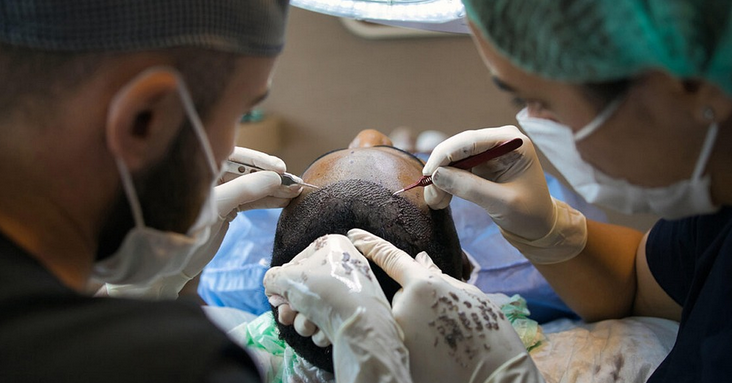
A decade ago, mentioning a hair transplant might have drawn curious looks or hushed tones. Today, it’s a completely different story. Influencers, celebrities, and even public figures are openly sharing their experiences, dismantling old stigmas and normalizing the conversation around hair restoration. Advances in techniques—like follicular unit extraction (FUE) and direct implantation—have made procedures more natural-looking and minimally invasive than ever before. For many Australians, using super to pay for hair transplant treatments has also made the option more accessible, turning what was once a luxury into a smart, long-term investment in self-confidence.

The Science Behind the Style

Modern hair transplants are a far cry from the obvious “plug” procedures of the past. Today’s technology focuses on precision, artistry, and biological compatibility. Surgeons meticulously map hair growth patterns, density, and texture to achieve seamless results that move and feel entirely natural. The combination of micro-surgical tools and advanced growth stimulants ensures that transplanted follicles not only survive but thrive. In essence, science has caught up with the art—bridging the gap between cosmetic enhancement and biological regeneration.

Confidence as the Ultimate Beauty Standard

happy

While traditional beauty treatments often focus on surface-level enhancements, hair restoration goes deeper—literally and emotionally. Hair plays a powerful role in how we perceive ourselves and how others see us. Losing it can quietly erode confidence, while regaining it can spark profound self-assurance. Many patients describe the process as life-changing, saying they not only look younger but feel more aligned with who they truly are. In today’s wellness-driven culture, confidence has become the ultimate accessory, and hair transplants are one of the most effective ways to reclaim it.

Genderless, Ageless, and Universally Empowering

What’s remarkable about the hair transplant revolution is how inclusive it’s become. It’s not just for middle-aged men anymore; it’s for anyone who wants to feel more like themselves. Women experiencing thinning hair or postpartum loss, young professionals seeking a career boost, and even older individuals wanting to age gracefully—all are finding empowerment in restoration. This universality marks a significant shift in beauty culture: hair health is now viewed as part of holistic self-care, rather than vanity. The procedure’s discreet recovery period and natural outcomes have made it a favorite among diverse demographics.

The Future of Hair Restoration

confident woman

Looking ahead, the possibilities for hair restoration are expanding rapidly. Stem cell therapy, regenerative medicine, and even robotic implantation are pushing boundaries in precision and recovery time. Clinics are also focusing on customization—tailoring every procedure to match lifestyle, genetics, and aesthetic goals. With a growing emphasis on sustainability and ethical sourcing of medical materials, the future of hair transplants aligns perfectly with modern values of authenticity and responsibility. It’s no longer about chasing perfection—it’s about enhancing what’s naturally yours.

Hair transplants have officially crossed from medical necessity into a beauty revolution. They represent a shift toward authenticity—helping people feel like the best version of themselves without artifice or pretense. As technology advances and attitudes continue to evolve, hair restoration isn’t just changing how we look—it’s reshaping how we define beauty, confidence, and self-expression.…


From Thin to Thick Fast: Hair Growth Hacks You Haven’t Tried Yet

0 Comments
Natural Hair Regrowth Supplement

Are you so done with hair that feels more like a whisper than a statement? If your locks have gone from luscious to lackluster, you’re not alone. Many people struggle with thinning hair at some point in their lives. Some might notice that their hair is thinning due to aging, while others might experience hair loss as a result of stress, diet, or hormonal imbalances. But it’s never the end of the world.

Lucky for you, there are plenty of tricks and tips out there to help you turn things around. Whether you’re dealing with seasonal shedding or just want fuller strands, this guide is packed with innovative hacks that might be exactly what your mane needs. Say goodbye to the days of hiding under hats and scarves—let’s explore how to transform those fine wisps into thick, stunning tresses!

Scalp Massage With a Natural Hair Regrowth Supplement

Natural Hair Regrowth Supplement

Scalp massage is a simple yet powerful technique that can do wonders for hair growth. When you gently knead your scalp, it stimulates blood circulation. This increased flow brings essential nutrients and oxygen directly to the hair follicles. Pairing this practice with Revifol amplifies its benefits.

Ingredients like Ashwagandha, Bacopa, Chamomile, and Gamma Aminobutyric Acid (GABA) not only nourish but also promote healthy growth. You just need to use your fingertips to apply light pressure in circular motions across your entire scalp. Focus on areas where thinning is noticeable, as these spots may need extra attention.

Inversion Method

Basically, this method involves flipping your head upside down, stimulating blood circulation in the scalp. To practice it, sit on a chair and bend forward so that your head hangs toward the floor. Maintain this position for about 4-5 minutes daily. You can enhance the experience by incorporating essential oils or natural hair serums to nourish the roots while you’re inverted.

Many swear by its effectiveness, claiming noticeable results within weeks. The increased blood flow encourages nutrient delivery to hair follicles, which may lead to thicker strands over time. Though it might feel awkward at first, consistency is key. Gradually increasing the duration can help ease into this routine without discomfort.

More Balanced Diet

More Balanced Diet

Your hair is pretty much the fruit of your diet. Incorporating the right nutrients can transform your thin strands into a luscious mane. That being said, focus on adding proteins, as they are essential for hair structure. Foods like eggs, fish, and legumes provide the building blocks your hair craves.

Don’t overlook vitamins either. Biotin, found in nuts and avocados, is known to promote growth. Vitamin E from spinach or almonds helps improve circulation to the scalp. Iron-rich foods such as leafy greens and red meat support oxygen transport throughout your body, including the follicles.

No Heat Styling

Heat styling tools can be tempting for that sleek look, but they often come at a cost. Regular exposure to high temperatures can damage hair, leading to breakage and thinning. By ditching the blow dryer, straightener, or curling wand, you allow your hair to breathe and recover.

Embrace natural air drying instead. It’s gentler on strands and helps maintain moisture. Or, you can try exploring heat-free styling techniques like braiding damp hair for waves or using rollers for curls.

Silk Pillowcases

Silk Pillowcases

Did you notice that silk pillowcases have gained attention for their luxurious feel and potential benefits for hair health? Unlike cotton, silk creates less friction against your tresses. This means fewer tangles and reduced breakage. Sleeping on silk can also help retain moisture. Your hair stays hydrated, reducing the likelihood of split ends and dryness.

It’s a simple swap with noticeable results over time. In addition to being gentle on hair, silk is kinder to your skin as well. The smooth surface prevents creases that can lead to premature wrinkles. A win-win for beauty enthusiasts.…