
Why Your Hairline May Need a Different Styling Approach From the Rest of Your Hair
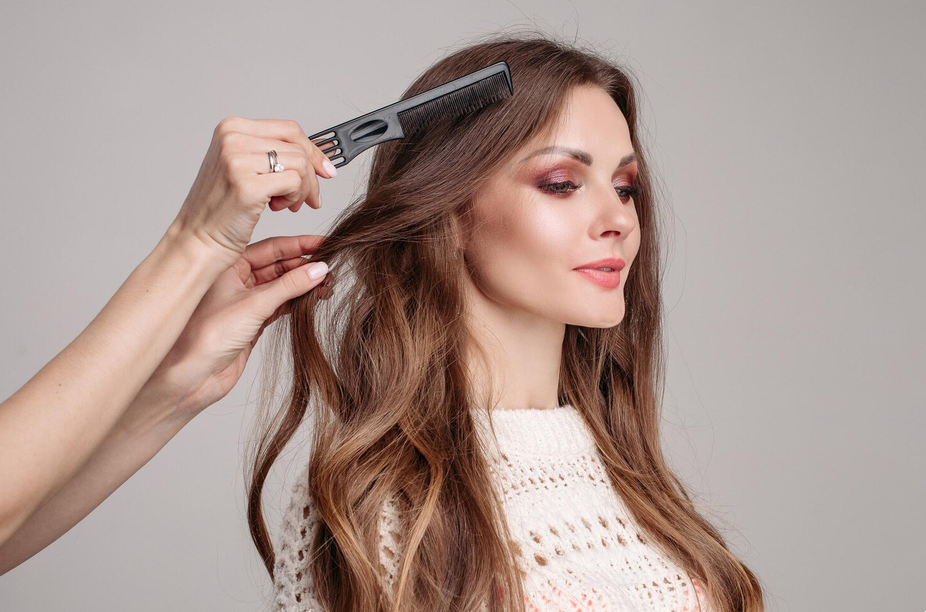
The hairline often behaves differently from the rest of the hair. The strands around the forehead and temples may be finer, shorter, more exposed, or naturally uneven. They can also respond differently to heat, products, brushing, and humidity. Because of this, using the same styling method across the entire head may not produce the best result. The hairline frames the face, so even small changes can affect how a hairstyle looks. A technique that gives volume to thicker areas may make finer edges appear flat or separated. Likewise, heavy products that control longer sections can leave the hairline stiff or greasy. Understanding these differences makes styling easier and can help create a more balanced appearance without forcing delicate strands into an unsuitable shape.
Recognizing Natural Hairline Variations
Not every hairline follows the same pattern. Some people have naturally rounded edges, while others have pronounced temples, uneven corners, or small areas where hair grows in different directions. Baby hairs can also create a softer outline around the forehead. These short strands may resist conventional styling because they lack the length and weight needed to follow longer sections. Hair texture matters too. Curly or coily hair may form tighter patterns around the edges, while straight hair can make small differences more visible. Density can vary across the hairline as well. Recognizing these characteristics is more useful than trying to make every strand behave identically. The goal is to work with the natural structure rather than constantly correcting it.
Adjusting Products For Better Control
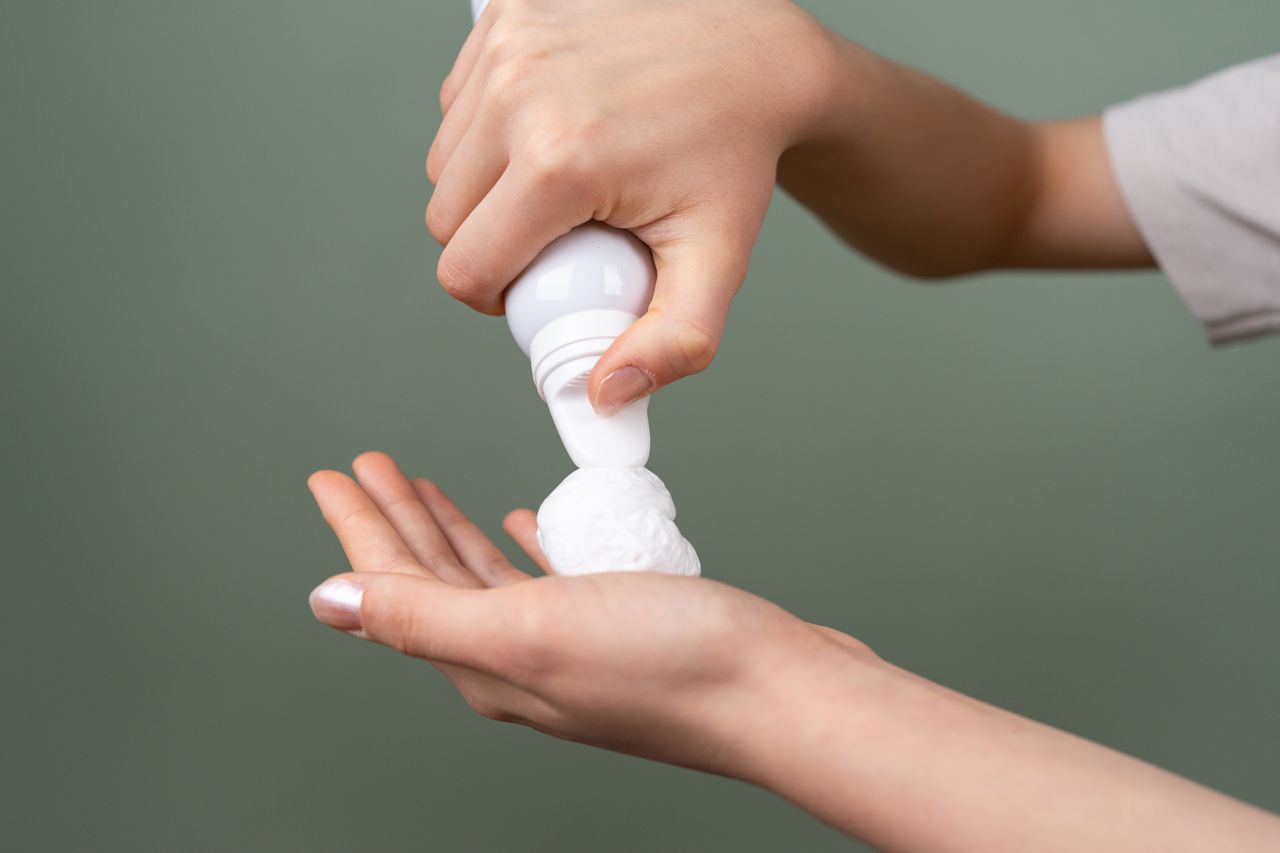
Product choice can make a noticeable difference around the hairline. Thick waxes, strong gels, or heavy creams may work well for longer hair but overwhelm finer strands. They can create buildup or make the edges appear darker and separated. A lightweight styling cream, mousse, or small amount of flexible gel may provide enough control without making the hair look coated. Application also matters. Instead of covering the entire hairline with product, a small amount can be distributed carefully with fingertips or a clean styling brush. This gives greater control over individual sections. Product should also match the desired finish. Someone seeking a natural appearance may prefer flexible hold, while a structured hairstyle may require stronger control. Using less product is often more effective around fine edges.
Working With Texture and Growth Direction
Growth direction can explain why one side of a hairline behaves differently from the other. Cowlicks, natural bends, and changes in density can make certain areas difficult to smooth. Fighting these patterns constantly can create an unnatural finish. Styling with the existing direction may produce better movement and require less tension. For textured hair, defining the natural pattern can be more effective than brushing it flat. Small amounts of water or lightweight styling products can help reshape short strands temporarily. The key is control without excessive manipulation. A hairline does not need to look perfectly uniform to look polished. Slight variation can actually make a hairstyle appear more natural and suited to the individual.
Managing Heat and Brushing Carefully
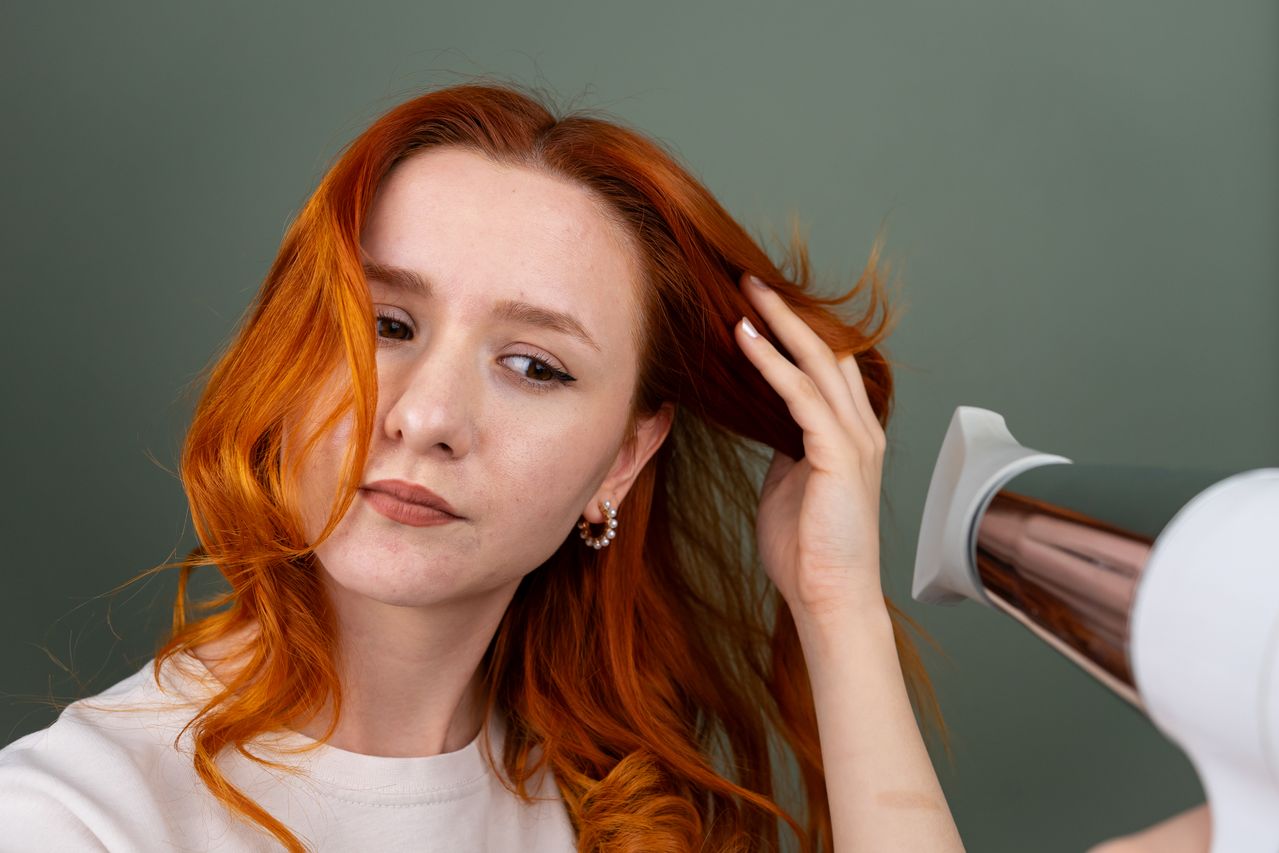
The hairline can receive more mechanical stress than people realize. Repeated brushing, tight ponytails, frequent blow-drying, and aggressive styling can place tension on short or fine strands. Excessive heat may also make hair feel dry or brittle. When using heated tools, moderate temperatures and heat protection can help reduce unnecessary stress. A dryer can be directed along the natural growth pattern instead of forcing the hair in the opposite direction. Brushing should be controlled rather than forceful, especially when detangling short hairs near the temples. If a hairstyle requires repeated pulling to keep the edges in place, changing the technique may be better than increasing product strength. Comfortable styling should remain part of the process.
A successful hairstyle considers the relationship between the hairline and the rest of the head. If the sides and top have significant volume, completely flat edges may create a sharp contrast. On the other hand, excessive volume around the forehead can make the hairstyle appear crowded. Adjusting the hairline separately allows the main hairstyle to maintain its intended shape. Simple techniques can help. Slightly directing the front strands, softening a hard edge, or adding controlled texture may improve the overall balance. Regular trimming can also keep shorter sections manageable, although cutting baby hairs too frequently may make them harder to style. Most importantly, styling should account for hair type, density, length, and natural growth patterns. When the hairline receives the attention it actually needs, the rest of the hairstyle can look more cohesive without requiring complicated techniques.

